Six Myths About Decaf
Decaf gets no respect. People treat it like a compromise, a lesser version of the real thing. Ten years ago, that reputation was mostly deserved. Today it is not. Decaffeination technology has improved dramatically, and specialty roasters are finally giving decaf the attention it deserves. Let me address the six biggest myths.
Myth 1: Decaf Is Flavourless
This was true when decaf meant the cheapest commodity coffee stripped of caffeine with industrial solvents. It is not true when you start with high-quality green coffee and use a careful decaffeination process. Our current decaf is a Swiss Water Process Colombian from Huila, and it tastes like chocolate, toasted almond, and caramel. It will not trick you into thinking it is caffeinated, but it is a genuinely enjoyable cup.
Myth 2: Decaf Uses Dangerous Chemicals
Some decaf is processed with chemical solvents, specifically methylene chloride or ethyl acetate. These solvents are effective and, according to regulatory agencies, safe at the trace levels present in the finished product. The FDA limits residual methylene chloride to 10 parts per million, and most commercial decaf comes in well below that.
That said, if you prefer to avoid chemical solvents entirely, look for Swiss Water Process (SWP) decaf. SWP uses only water, temperature, and time to extract caffeine. No chemicals touch the beans. It is our preferred method and the one we stock exclusively.
Myth 3: Decaf Is Completely Caffeine-Free
It is not. Decaffeination removes 97 to 99.9% of the caffeine, depending on the process. A standard cup of decaf contains about 2 to 15 milligrams of caffeine, compared to 80 to 100 milligrams in a regular cup. For most people, this amount is negligible. If you are extremely sensitive to caffeine, be aware that "decaf" is not "zero caf."
Myth 4: You Cannot Make Good Espresso with Decaf
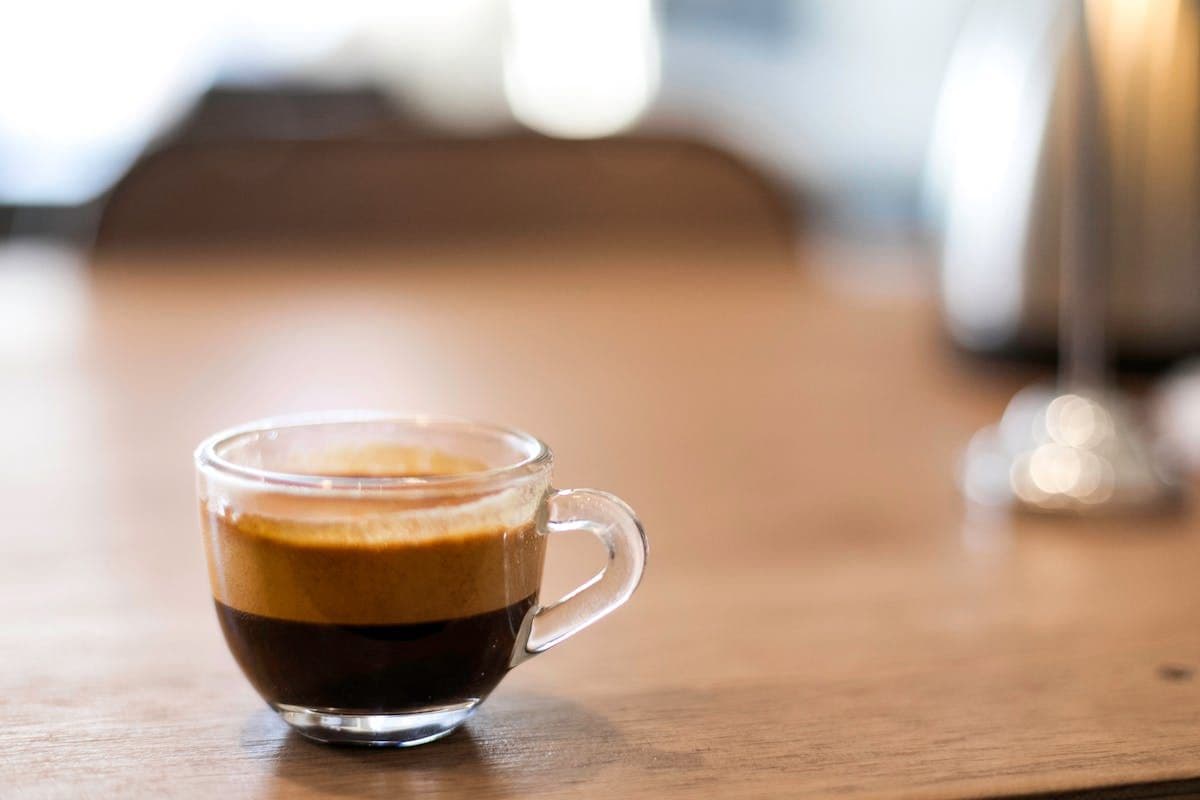
You absolutely can. Decaf beans behave slightly differently in the grinder and under pressure, they tend to be more brittle and extract faster, but these are adjustments, not dealbreakers. Grind a touch coarser than you would for the same coffee caffeinated, and you will get a balanced shot. Our decaf pulls well at an 18-gram dose, 1:2 ratio, in about 26 seconds.
Myth 5: Only Cheap Coffee Gets Decaffeinated
This used to be true. Decaffeination was expensive, so roasters only applied it to cheap beans where the process cost was a smaller percentage of the total. Now, specialty importers are decaffeinating high-scoring lots because there is real demand from customers who want quality without caffeine. We have cupped Swiss Water decafs scoring 84 to 86 on the SCA scale. That is firmly in specialty territory.
Myth 6: Decaf Is Only for People Who Cannot Handle Caffeine
Some people drink decaf in the afternoon because they want a cup of coffee at 3 PM without being awake at midnight. Some people drink it because they genuinely prefer the taste profile, which tends to be softer and sweeter than caffeinated versions of the same coffee. Some people alternate between regular and decaf throughout the day. None of these choices need justification.
Decaf is coffee. Full stop. If your roaster treats it like an afterthought, find a better roaster.